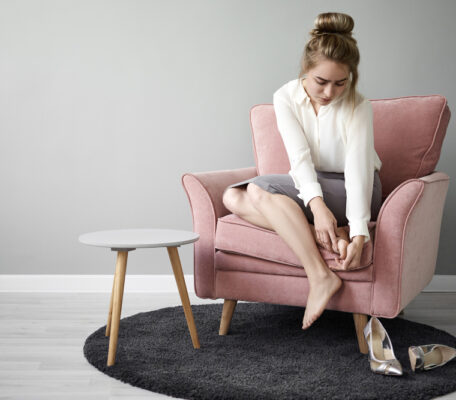

When the weather turns colder, it can affect our health in many ways, and those with poor circulation may feel the difference intensely. Even if we wrap up warm when we leave the house, the way our blood circulates in cold weather can leave us feeling the chill, and this may particularly affect our feet.
At Foot Solutions, our experienced Foot Wellness Experts know how important it is to take care of your feet all year round, and we can help you to find the best options for your lifestyle and your budget. Let’s take a look at the way cold weather affects circulation and the impact this can have on the health of your feet.
Circulation in Cold Weather
When the temperature drops, during the Autumn and Winter months, the job of your circulatory system is to keep everything running smoothly. Your system prioritises getting blood to your most vital organs, and this can mean that blood flow to your extremities is compromised. The blood vessels that carry blood to the hands and the feet become constricted in cold weather, a natural process called vasoconstriction, and this reduces blood flow to the extremities in order to minimise heat loss in the body and protect the core.
Reduced circulation to the feet can be problematic for many people in the winter months, and can lead to issues including slower healing and reduced sensation. The feet each contain 26 bones and more than a hundred ligaments and tendons, so they are particularly prone to injury and damage. Poor circulation that complicates the healing process and dries out the skin can lead to more significant problems, and taking steps to remedy this can make a big difference.
Foot Conditions That are More Common in Winter
Being aware of the potential foot problems that winter can bring enables you to be well prepared and take preventative steps to enjoy better foot health all year round. Common foot problems in cold weather include:
- Chilblains. Chilblains are a very common foot condition that often occurs in cold weather, developing when the feet are exposed to extremes of heat. This is most likely when you come in with cold feet and warm them up too quickly, by the fire, on a radiator or in a hot bath, for instance. Chilblains are itchy, painful swellings and can last for several weeks if they are not treated correctly. Allowing your feet to slowly transition between temperatures is very important to prevent chilblains, and you should warm cold feet slowly by adding extra socks and clothing layers instead of exposing the feet to heat sources directly.
- Raynaud’s. If you have never seen the way Raynaud’s can affect the hands and feet, you may find the symptoms worrying if you suddenly notice them. This is a condition that is caused by poor circulation due to cold or stress, and it leads to whiteness in the fingers and toes, along with numbness. Raynaud’s can cause damage to tissue if it is experienced in the long term, and you should seek advice from a medical professional if you experience this routinely. Taking steps to improve circulation, by exercising and staying active, can be very helpful here, and it is important to invest in winter clothing and footwear that can protect your body and your feet without restricting blood flow. Water-resistant footwear will also keep your feet dry, which will help to prevent them from becoming too cold.
- Trench foot. Trench foot may sound like a historic condition, but it still occurs today when the feet are exposed to cold and wet conditions for long periods of time. Trench foot can lead to significant damage to the nerves and tissues of the feet, and is characterised by itching, tingling, pain and swelling. If untreated, trench foot can eventually kill the tissues of the feet and can lead to amputation or even fatality. Protecting your feet against cold, wet conditions is vital, and you should ensure that you dry your feet carefully when you wash them and change your socks immediately if they are wet.
- Frostbite. Although it is unusual, it is possible to develop frostbite if the tissues of the feet freeze, and this can cause damage to the muscles, nerves and even bones in the feet. The early signs of frostbite include numbness in the feet and grey or white skin, and unexpected changes in the way the skin feels. If you think you may have frostbite, you should seek urgent medical assistance to ensure that you do not risk permanent damage to your feet.
During the winter, you are also likely to experience worsening of existing foot conditions, such as arthritis that affects the feet, and even conditions such as plantar fasciitis, which affects the thick band of tissue that connects the toes to the heel, can become worse due to the cold weather.
Are You at Increased Risk of Circulatory Foot Conditions
If you experience circulation problems, especially if you have diabetes or peripheral artery disease, you may notice that these become worse during the coldest times of the year. As we age, our circulation becomes less efficient, and the skin of the feet becomes more fragile and prone to damage. Older people are at a higher risk of foot conditions caused by poor circulation, and being aware of this can help you mitigate the risk and take preventive action.
If you have experienced foot problems related to circulation in the past, these are more likely to affect you again, and it is even more important to take good care of your feet. Investing in good, protective footwear and socks that can keep your feet warm and dry is a good place to start, and choosing socks that are designed to wick away moisture and allow the feet to breathe can be very helpful. Maintaining your activity levels and exercising regularly throughout the winter can help to maintain effective blood circulation and encourage blood flow to your extremities, and is an essential way to protect your feet and your wellbeing all year round.
Find Supportive Footwear at Foot Solutions
Here at Foot Solutions, our professional team can help you take care of your feet all year round, and we offer foot assessments and gait analysis to find the best options for you. Effective gait analysis gives us a detailed understanding of the way your feet work, and our foot wellness experts use our proprietary 3D laser scanning, pressure mapping and design software to create the solution that your feet need. Every foot is different, and a tailored approach that takes this into account is much more likely to be effective at reducing foot pain and increasing comfort than an ‘off-the-shelf’ solution.
We have an extensive range of footwear to provide the comfort and support your feet need, and we offer services such as custom-made orthotics that can make a world of difference to foot pain, back pain and pain in the hips or knees. Come and see us in your local store or book your free foot assessment online today.