
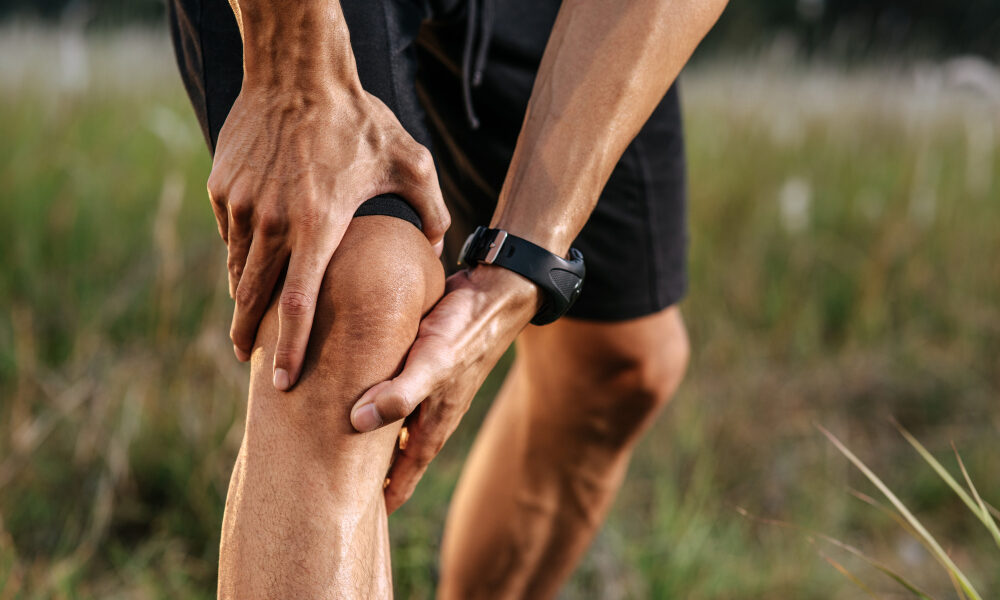
Shin splints are a condition common to runners and are characterised by pain in the shins, which can vary from mild to moderate or severe. The first step to treating shin splints is understanding what causes the condition and how you can prevent it from developing further.
Shin splints usually result from over-exercising and are linked to overpronation, where the feet roll in towards each other as you walk or run. You may notice pain or tenderness in the front of the lower leg, and making some changes to your exercise habits and/or your footwear can help to resolve the pain. Usually, shin splints heal within a few weeks once adjustments are made, and we’ll take a look at the treatment options here.
Shin Splints: Common Causes
- You begin exercising after a long period of inactivity. If you have not exercised for a long time, you may risk developing shin splints if you train too hard too quickly and do not take care of your feet properly. Sudden increases in the amount of exercise you are doing, or the intensity of your exercise regimen, can lead to pain in the shins and can cause swelling in the lower legs. If you do not treat shin splints with care, you are likely to worsen the condition.
- You wear the wrong footwear. If you are wearing old or poorly designed shoes, or simply wearing running shoes that are not well suited to your feet, you are much more likely to experience shin splints. Good quality running shoes that suit the shape of your feet will provide good cushioning to absorb shock and support the arches of your feet as you run. This will help to distribute your body weight evenly so that your shins do not come under pressure due to misalignment and will ensure that your feet and lower legs are protected as you run. Old running shoes may be problematic because the foam designed to support your feet wears out – often more quickly than the outer shoe – and cannot provide the protection you need. Running shoes should usually be replaced every 450- 800 km to keep your feet in good condition.
- Your feet roll inwards (overpronation). Overpronation, where the feet roll in towards one another while you are walking or running, is one of the most common reasons for shin splints to develop. This is because the weight of the body is not distributed throughout the feet, and the positioning of the feet puts pressure on the lower legs and on the bones and ligaments of the feet. Wearing shoes that are designed to correct overpronation can make all the difference, providing the cushioning you need to stabilise the feet and support better positioning. Custom-made orthotics can help to prevent the feet from rolling in and may reduce the risk of foot and lower leg pain such as shin splints.
- You train on hard surfaces. Running or working out on hard surfaces can increase your risk of developing shin splints, and this is especially likely if you are running or jumping on tarmac or concrete. This is because the feet come under a great deal of pressure as they absorb the shock of every landing, and this can lead to pain and inflammation in the lower legs and particularly in the shins. Taking your training route off-road can make a big difference to the health of your feet and legs, and you will find that grass or trails that are softer underfoot provide a much more forgiving surface for you to run or train on.
- Your running technique is problematic. Runners often experience painful foot conditions, and sometimes this is due to the running techniques and habits that develop. Pushing yourself too hard can result in shin splints or other injuries, and the same is true of running without considering support for your feet. Taking time to warm up and wearing shoes that support your feet properly are key factors, but you may also find that adjusting your gait or using custom-made orthotics to support a better foot position can help to alleviate pain and prevent further problems from developing as you run.
If you are concerned about shin splints or any other painful foot condition, pop into any of the Foot Solutions stores and talk with our experienced team.
How to Treat Shin Splints
At Foot Solutions, our Foot Wellness Experts can use scans to find out more about your feet and help you to find solutions that are a good fit for your lifestyle and your budget. Shin splints can often be treated at home, but if the pain persists, you should seek advice.
We recommend:
- Ice. Icing the painful area can help to reduce inflammation and relieve pain, and you can do this for up to twenty minutes every 2-3 hours. It may help to elevate the legs while you are icing them, as this can improve blood flow to the area and promote healing.
- Pain relief. You may find that pain-relieving medication is helpful if you are in a lot of pain, and you can use over-the-counter painkillers as a temporary measure. Take care not to overexert yourself, as you may not realise that the pain is worsening while you are taking pain relief.
- Rest. You will need to take a break from your usual exercise routine if the intensity has contributed to the pain you are feeling, and we often suggest taking up a gentler form of exercise to allow your body to recover. Yoga, Pilates, or swimming are kinder to the body and combine strength and flexibility to complement your high-intensity regime.
- Take care of your body. You can reduce your risk of many painful conditions when you warm up and stretch out properly before and after exercise. Plan your workouts carefully to ensure that you are not putting your feet under too much pressure, and reintroduce running and high-impact activities slowly. Running or working out on softer surfaces wherever you can may also be beneficial.
- Better footwear. The shoes you wear have a big impact on the health of your feet, especially when you are running or working out. Switching to shoes that provide more cushioning and support for your feet can help to prevent painful conditions such as shin splints and protect against injuries while you are exercising.
Visit Our Experts at Foot Solutions
At Foot Solutions, our Foot Wellness Experts use a range of techniques to find out more about how your feet work, including proprietary 3D laser scanning, pressure mapping and design software. We work with each person to find the best solutions for their individual foot pain or discomfort.
You’ll find an extensive range of supportive, comfortable, stylish shoes in store, with options for work, exercise and casual wear, and we can also offer services such as gait analysis and custom-made orthotics. You can book a free foot assessment online or pop in and speak with us in store.


